

Quick answer
Rose Island reef snorkeling is accessible daily from 09:00 to 17:00 via private boat charter or guided excursion departing Nassau. Entry to the island and surrounding reefs is free, though charter costs vary by operator. Arrive between 09:00 and 12:00 to avoid afternoon boat traffic and maximize time in clear water before peak sun. The reefs lie in three to eight feet of water within swimming distance of the beach.
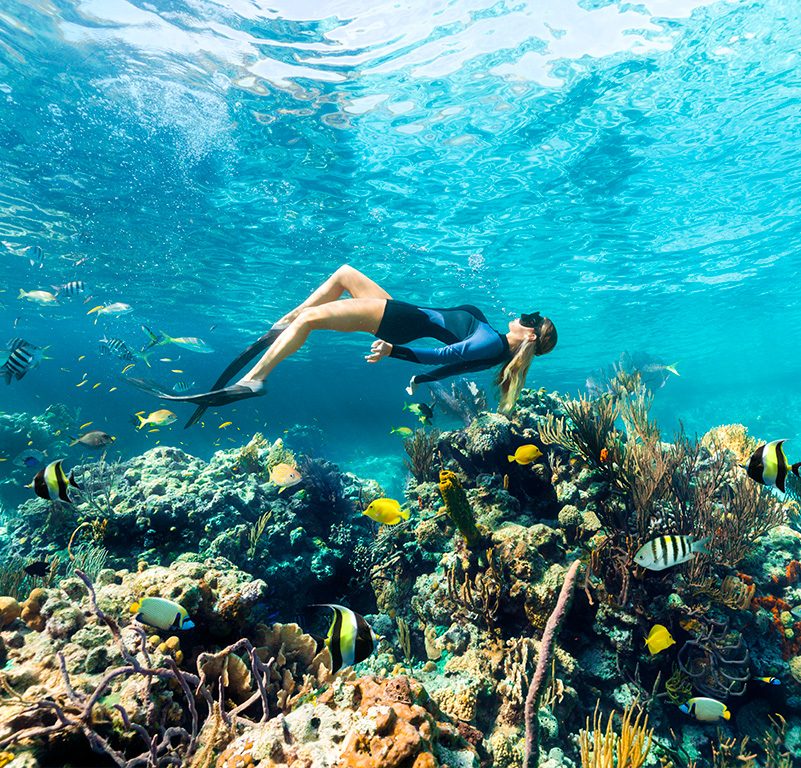
The reef system encircling Rose Island formed over centuries on a shallow limestone plateau that shelves gently from shore. Staghorn coral colonies cluster near the eastern beach, while elkhorn formations dominate the northern shallows where tidal currents deliver nutrient-rich water twice daily. The depth rarely exceeds eight feet, and visibility routinely stretches beyond seventy feet on calm mornings when sediment settles overnight. Most charters depart Nassau Harbour between 08:30 and 10:00, crossing open water for twenty to thirty minutes before anchoring in the protected cove on Rose Island's western shore. Snorkelers swim directly from the beach to the reef line, which begins fifteen yards offshore and extends several hundred yards parallel to the coast. Parrotfish graze on algae-covered coral heads while sergeant majors patrol the shallows in tight schools. Queen angelfish and yellowtail snappers occupy the deeper pockets where brain coral formations create shelter. The Bahamas National Trust designates the surrounding waters as a marine protected area, prohibiting spearfishing and coral collection but permitting snorkeling without restriction. Rose Island reef snorkeling operates year-round, though winter swells between December and February occasionally reduce visibility and create choppy surface conditions that challenge novice swimmers. Summer months bring calmer seas and water temperatures above eighty degrees, attracting larger concentrations of tropical species that migrate inshore to spawn. No facilities exist on the island—no rental kiosks, no restrooms, no freshwater. Charters provide masks, fins, and snorkels as part of the package, and most include beach time before or after the snorkel session. The island's sand is soft and white, composed of pulverized coral and shell fragments that reflect sunlight with enough intensity to require eye protection even under cloud cover. Shade is limited to a few casuarina trees near the high-tide line. Current patterns shift with lunar cycles, creating stronger flows during spring tides that can carry inattentive swimmers away from the reef and into deeper water beyond the plateau's edge. Local guides recommend wearing a brightly colored rash guard for visibility and staying within the marked swim zones that most operators establish using floating buoys.
“The depth rarely exceeds eight feet, and visibility routinely stretches beyond seventy feet on calm mornings when sediment settles overnight.”
The Best Time for Rose Island Reef Snorkeling
The best arrival window for snorkeling at Rose Island is 09:00–12:00. This period avoids afternoon boat traffic and allows for snorkeling in clear water conditions before the intensity of the peak sun.
Mid-week
Low—
Tuesday through Thursday mornings see the fewest excursion vessels at the reef.
Winter months
Moderate70°F–80°F
Cooler air and water temperatures occur from December through February.
Spring and Fall
Moderate75°F–85°F
These transitional periods offer calm seas and high visibility for underwater activities.
Summer months
High80°F–90°F
Increased boat traffic and higher temperatures characterize the peak travel season.
Verdict: The best time to visit is mid-week between 09:00 and 12:00 during the months of April or October to balance favorable water clarity and manageable crowd levels.
Getting to Rose Island Reef Snorkeling Sites
Rose Island is located off the coast of New Providence, Bahamas. As there is no public ferry service to the island, visitors must arrange travel via a private boat charter or an organized excursion.
Private Boat Charter from Nassau
Organized Snorkeling Excursion from Nassau
Entrance Fees for Rose Island Reef Snorkeling
There is no cost to access Rose Island Reef as it is a public area. Expenses are instead tied to the mandatory boat charter or excursion required to reach the island.
Adults pay 0 USD for reef access, with the final cost determined solely by the private transport provider chosen.
Opening Hours for Rose Island Reef Snorkeling
Rose Island Reef remains accessible to visitors throughout the week. The site maintains consistent operating hours every day of the week.
| Monday | 09:00–17:00 | |
|---|---|---|
| Tuesday | 09:00–17:00 | |
| Wednesday | 09:00–17:00 | |
| Thursday | 09:00–17:00 | |
| Friday | 09:00–17:00 | |
| Saturday | 09:00–17:00 | |
| Sunday | 09:00–17:00 |
What to See at Rose Island Reef Snorkeling
Rose Island Reef hosts a diverse ecosystem of shallow-water corals and marine species. Visitors can observe various Caribbean sea life in their natural habitats across the reef formations.
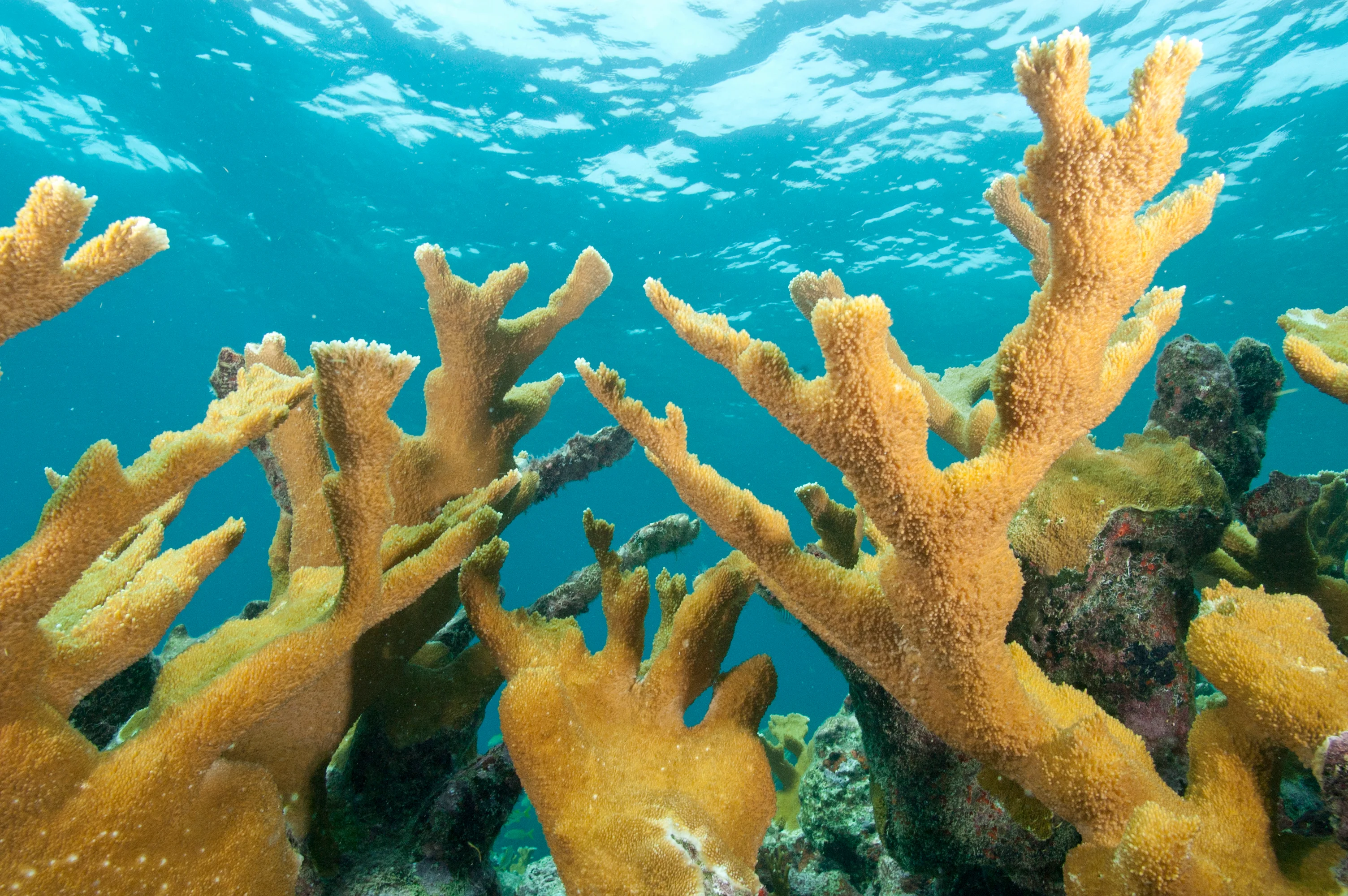
Elkhorn Coral Forests
These branching corals create complex structures that provide essential shelter for small reef fish. They are typically found in the shallower sections of the reef system.
Look for swaying branches in areas with gentle current flow.
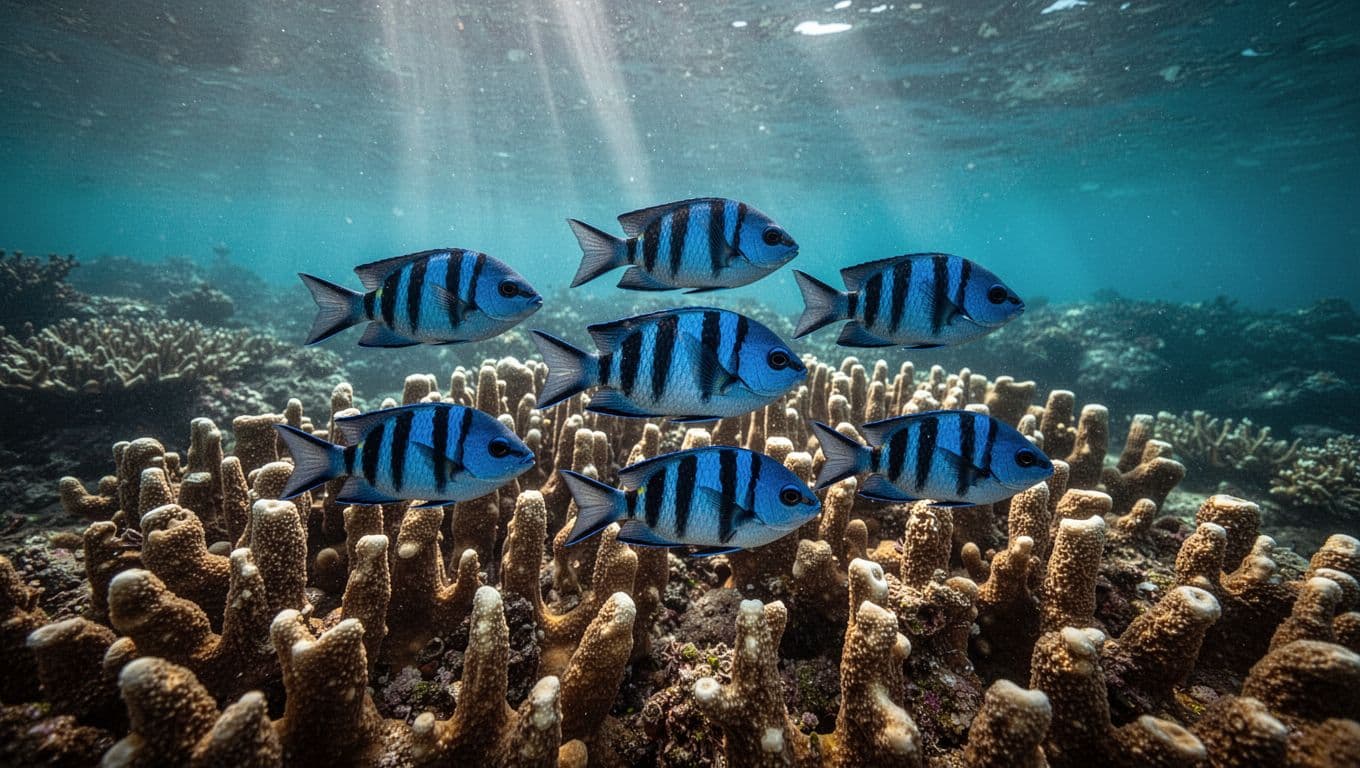
Schooling Surgeonfish
Large groups of blue tang and ocean surgeonfish frequently graze on algae along the reef flats. Their consistent movement patterns make them a reliable sighting for snorkelers.
Observe from a distance to see their coordinated swimming behavior.
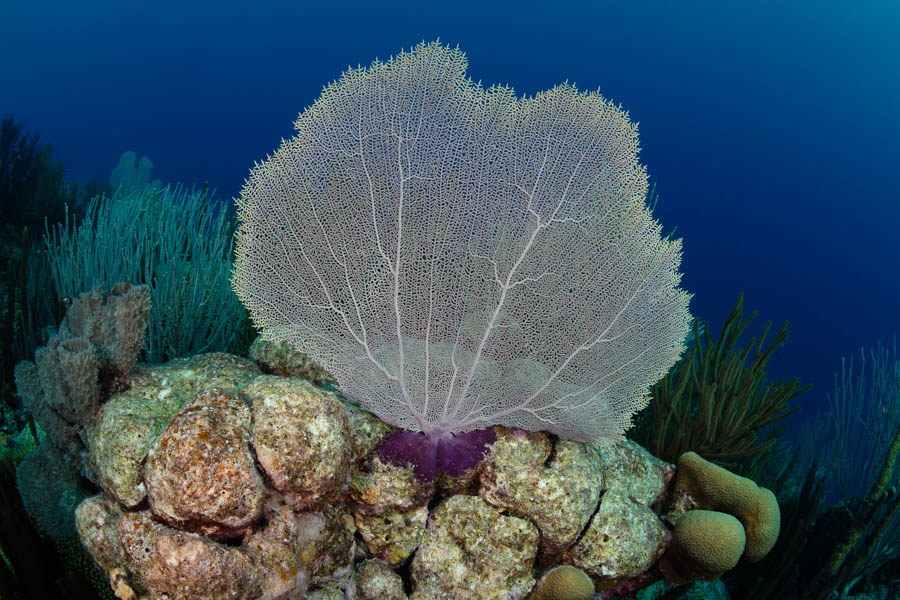
Sea Fan Colonies
Gorgonian sea fans extend their mesh-like structures into the water column to capture plankton. These stationary organisms offer high-contrast textures against the sandy ocean floor.
Check the vertical surfaces of rock outcrops for attached fans.
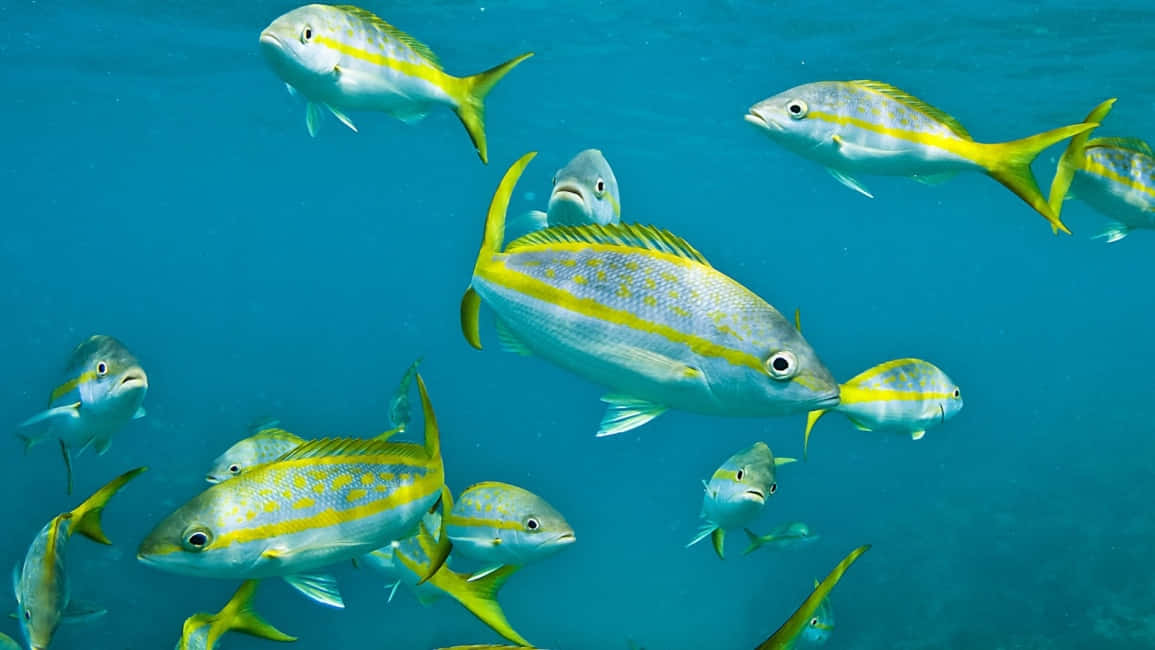
Yellowtail Snapper
These active fish are common near the reef perimeter and often approach snorkelers in search of food. They are easily identified by the distinct yellow stripe running along their bodies.
Watch for them hovering near coral heads and ledges.
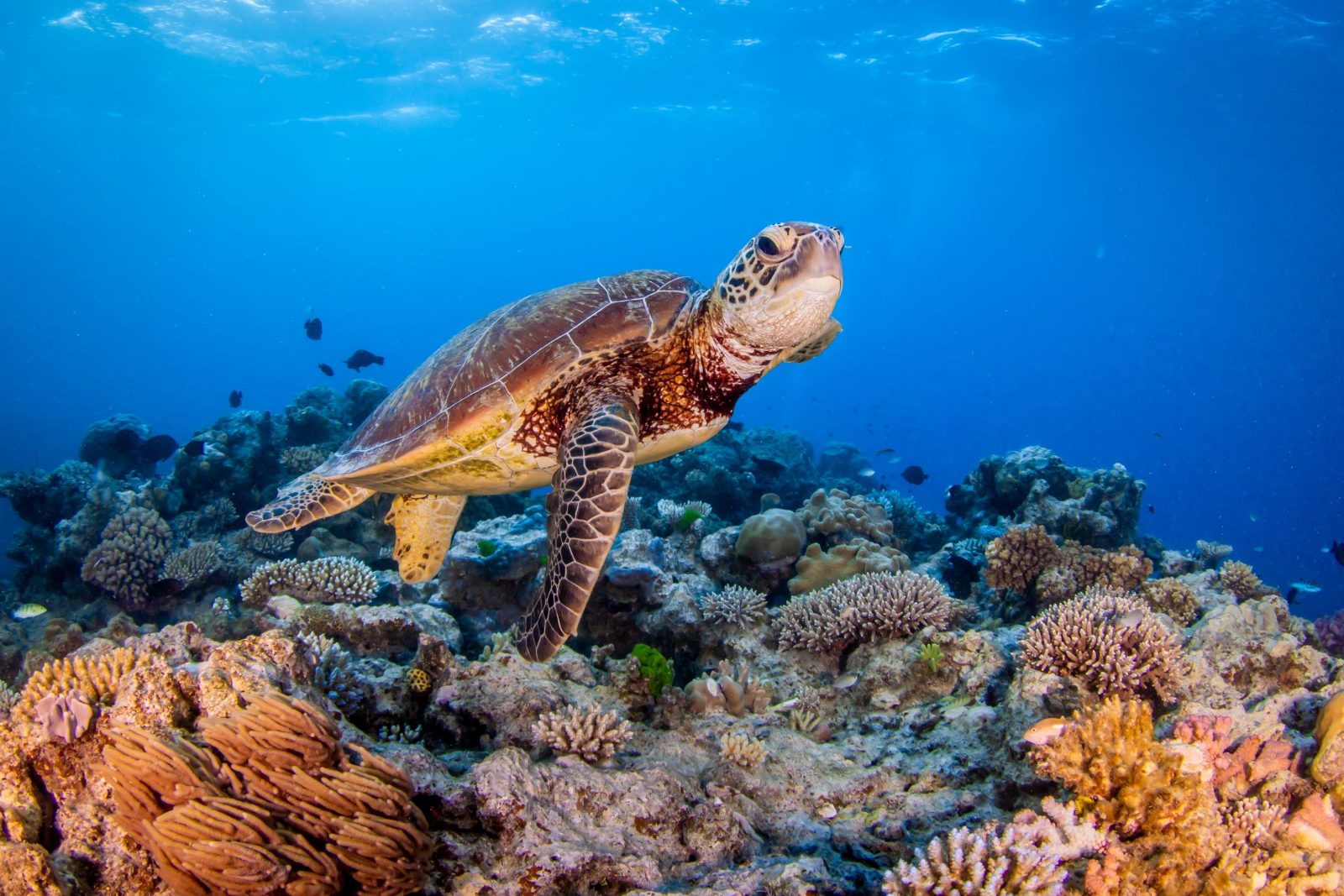
Green Sea Turtles
Occasional visitors to the reef, these sea turtles are often spotted gliding over the seagrass beds near the main coral clusters. They typically remain calm when approached by quiet observers.
Scan the transition zones between reef and sandy bottom.
Checklist for Your Rose Island Reef Snorkeling Trip
Rose Island requires more preparation than shore-accessible sites because you'll be arriving by boat and spending extended time in open water.
-
Book your boat charter or excursion — Rose Island has no public ferry; private charters and tour operators are your only access options.
-
Pack reef-safe sunscreen (mineral-based) — Chemical sunscreens damage the coral; mineral formulas with zinc oxide or titanium dioxide protect both you and the reef.
-
Bring your own snorkel gear if possible — While many charters provide equipment, your own mask ensures proper fit and reduces fogging issues.
-
Pack a dry bag for valuables — Phones, wallets, and cameras need protection from saltwater spray during the boat ride and while snorkeling.
-
Arrive at the marina early — Most charters depart between 9:00–10:00 AM; late arrivals may forfeit their spot with no refund.
-
Bring water and light snacks — Rose Island has no facilities; staying hydrated in full sun is essential for a safe trip.
Check availability
Frequently asked questions about rose island reef snorkeling
Everything you need to know about rose island reef snorkeling